

GUIDES · AGES 5–11
Guides for parents and teachers
Plain-English answers to the reading questions UK parents of 5 to 11-year-olds ask most, each checked against its sources and written or reviewed by Joshua Younger, Education Lead.
How Litsee helps: stories your child steers at their own level, for the reading-for-pleasure side of everything in these guides.
Start your free trial7 days free. A card is needed to start.
Practical, plain-English guides on children's reading for UK parents and primary teachers, each built on published research and guidance, with the sources listed so you can check them.
By the Litsee team · Reviewed by Joshua Younger, Education Lead, on · Published · Updated · About this guide
Start here: the questions parents ask most
| Your question | The guide |
|---|---|
| Is my child on track with reading? | Is my child on track with reading? Reception to Year 6 |
| What do the book band colours mean? | Book bands and reading ages explained |
| My child hates reading. What helps? | Reluctant readers: a guide for parents |
| What do phonics phases and colours mean? | Phonics at home: phases, colours and sounds explained |
| Could it be dyslexia? | Signs of reading difficulties and dyslexia: what to do |
| What do the Year 6 SATs results mean? | Year 6 SATs results explained: scaled scores, the expected standard and greater depth |
All reading guides, Reception to Year 6
 For parents
Reluctant readers: a guide for parents
Your child can read but won't, or finds it hard and gives up. What the evidence says helps, by age, and when to ask school for a closer look.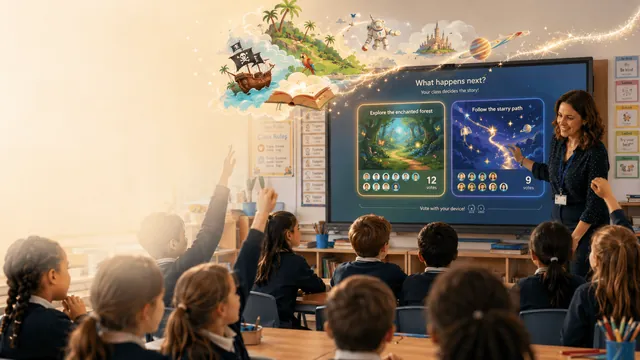 For KS2 teachers
Engaging reluctant readers in KS2
Separating can't from won't, fluency first, reading aloud, book talk and choice: a practical KS2 guide built on the EEF and the DfE reading framework.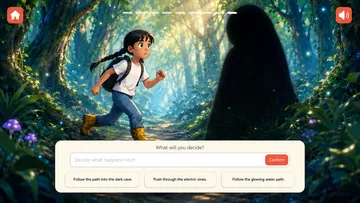 For parents and teachers
Are AI story apps safe for kids?
A plain checklist for any AI story app: data, the Children's Code, moderation, adverts, purchases and what is sent to AI companies. With Litsee's own answers. For parents
Book bands and reading ages explained
The book band colours in order, the school years two publishers link them to, why a band is not a reading age, and what to do if your child seems stuck.- For parents
Is my child on track with reading? Reception to Year 6
What schools in England expect in reading each year, in plain words: the official line, a sample passage for each age, and when to ask the teacher. - For parents
Parents' evening and reports: reading words decoded
Which report words are national and which are the school's own, what “emerging” and “working towards” mean, and ten questions to ask, on a printable card. - For parents
Screen time and reading: apps vs books
Where parents are right about screens, what the research says about reading on screens and paper, and five questions to test any reading app, including ours. - For parents
Reading to your child: how long, how often, and is 9 too old?
Where “10 minutes a day” comes from, the three kinds of reading parents mix up, why reading aloud still matters at 8 to 11, and how to end bedtime battles. - For parents
Questions to ask your child about a book
Questions for before, during and after reading by age, what the VIPERS letters on the school sheet mean, and a worked example on one of our free stories. - For parents
Phonics at home: phases, colours and sounds explained
Phonics words in plain English, how your school's programme names its stages, why early reading books look so easy, and a 10-minute routine for home. - For parents
Signs of reading difficulties and dyslexia: what to do
The signs the NHS and the BDA describe, the UK route from first worry to support at school, your rights, and a checklist to take to a meeting. We never diagnose. - For parents
The Year 6 SATs reading paper, explained
One hour, 50 marks, on 11 May 2027: which skills earn the marks, what a scaled score of 100 means, a practice text with answers and how to help without rows. - For parents
Reading at home in two languages
Why to keep reading in your home language, how it fits with English school books, help when English isn't your first language, and when to ask the school. - For parents
My child can read but doesn't understand: what helps
Why some children read the words but lose the meaning, a listening check to try at home, and what helps: rereading, talking about stories and reading aloud. - For parents
The school reading book is too easy (or too hard)
Why early reading books often look too easy, what to do when one is too hard, and ready-written notes to the teacher that ask without sounding pushy. - For parents
Do comics and audiobooks count as reading?
What comics, graphic novels, audiobooks, magazines and screens each do for your child's reading, with the National Literacy Trust's 2026 figures. - For parents
Common exception words and spelling lists, Year 1 to Year 6
The national curriculum's word lists in full: Year 1 and 2 common exception words and the statutory Year 3–4 and 5–6 lists, printable, with ways to practise. - For parents
My child is ahead in phonics: should I teach more at home?
Why schools follow their phonics programme in a set order, why racing ahead at home can backfire, and six ways to stretch a keen young reader instead. - For parents
Getting reading support when school says “wait and see”
Extra help at school doesn't need a diagnosis. What SEN support should look like, the questions to ask at each review, and what to do if it isn't working. - For parents
How fast should my child read? Reading fluency by year group
What the curriculum and the STA say about reading speed, UK and US words-per-minute figures labelled, and six ways to build fluency at home. - For parents
What is a reading age? What school reading tests and scores mean
Where a reading age on a report comes from, how it differs from a standardised score or a book band, and what to ask the school if it looks low. - For parents
My child can read but can't spell: why, and what helps
Why spelling lags behind reading, what school expects in each year, which mistakes to correct, and calm ways to practise, with a printable sheet. - For parents
Inference: helping your child read between the lines
What inference means from Year 1 to Year 6, why it matters in the reading tests, and how to practise it by talking about stories, with six short examples. - For parents
How to choose books your child will actually want to read
Start from their interests, mix easy books for fun with harder read-alouds, use the library and BookTrust, and try our book-type picker. - For parents
Is my child's writing at the expected standard?
What working towards, expected and greater depth mean in writing, the STA's Year 2 and Year 6 statements word for word, and how to help at home. - For parents
Kindle, tablet or paper: what's best for a child's reading?
What research says about reading on screens and paper, what eye specialists say, screens at bedtime, and a quick check for setting up any device. - For parents
Summer-born and behind with reading? What to know
The DfE figures by month of birth, why being summer-born should rarely stop a child learning to read, and why waiting isn't a plan. - For parents and teachers
Reading comprehension practice, Year 1 to Year 6 (free, with answers)
Six short passages we wrote, one per year group, with questions tagged by reading skill, answers that explain the clue and a print button. - For parents
My child is in Key Stage 2 and still struggling to read
What help should look like in Years 3 to 6: a diagnostic check, catch-up at the right level with age-appropriate books, and questions for the school. - For parents
Audiobooks for children: how to use them well, age by age
Listening together, reading along, bedtime, free audiobooks from libraries and tips by age, with the National Literacy Trust's 2026 figures. - For parents
The Year 1 phonics screening check: a parent's guide
What's in the check, the pass mark (32 for years, 31 in 2026), why good readers trip on alien words, and what to ask if your child doesn't meet the standard. - For parents
Summer holiday reading without the battle
Keep children reading over the summer without nagging: the library's Summer Reading Challenge, holiday reading ideas and a printable plan. - For parents
Book Day ideas that get children reading (not just the costume)
Book Day 2027 for parents: how the £1 book token works, low-cost costumes that start from a book, and reading and story ideas for the day. - For parents
Year 6 SATs results explained: scaled scores, the expected standard and greater depth
When 2027 results arrive, what a scaled score of 100 or 110 means, where greater depth fits, and what to do next, with a results-letter decoder. - For parents
Reading in Reception: what happens in the first year
Phonics from the start, the baseline assessment, what the early learning goals expect by the summer and a ten-minute home routine.
More from Litsee
- Reading at home, on one page: a ten-minute bedtime routine, book bands in brief and questions to ask after a story, on a sheet of A4 schools can share with families.
- A reading Christmas Eve box: a book to unwrap, a free story to share and a 10-minute bedtime routine, with a checklist to print.
- How to start a family book club: questions by age, activities that put children in charge, name ideas and a meeting sheet to print.
- Free reading websites for kids (UK): a checked list of free stories to read and listen to, from BookTrust and Oxford Owl to your library's apps.
- How Litsee's interactive stories work: children create the hero, pick the world and choose what happens next.
- Litsee for schools: class stories on the whiteboard, with pupils voting on what happens next.
- Free writing tools for ages 5 to 11: a story starter generator, story plan templates, story dice, topic word banks, a character name generator, a reading-time calculator, and reading logs with book review templates. No sign-up needed.
- Free interactive stories: read a chapter, then choose what happens next, as children do in Litsee.
- Seasonal story units for teachers: KS1 and KS2 lesson plans with a printable lesson sheet, plus a whole-school Book Day plan.
- Guides for primary teachers: reading for pleasure ideas that work, reading fluency routines that work and a whole-class reading lesson structure.
- Reading app comparisons: how Litsee compares with other reading apps for UK families, with prices checked and dated, plus an honest list of story writing apps for kids.
- How Litsee keeps children safe.
Questions people ask
Who writes Litsee's guides?
The Litsee team. Every guide is checked line by line against trusted sources, mainly the National Literacy Trust, BookTrust, the Department for Education and the Education Endowment Foundation, and lists them all so you can read further.
Are the guides free?
Yes. There is no sign-up, and you can share or print them. Litsee itself is a subscription app for ages 5 to 11 that starts with a 7-day free trial.
Are the guides for UK families and schools?
Yes. They use UK year groups and key stages, and cite UK research and guidance such as the DfE reading framework and the ICO's Children's Code.
About this guide
Reviewed by Joshua Younger, Education Lead, on .
Written by the Litsee team and checked line by line against the sources listed on this page.
Spotted something wrong or out of date? Email info@litsee.com and we will fix it. Facts last checked: .
Let them write the next page
In Litsee your child creates the hero, picks the world and decides what happens next in an illustrated story read aloud at their level.
Start your free trialA card is needed to start the trial, and nothing is charged if you cancel before it ends. See plans and pricing