
Story starters for kids
- 1 Choose
- 2 Read
- 3 Make
- 4 Keep
Choose your story starter
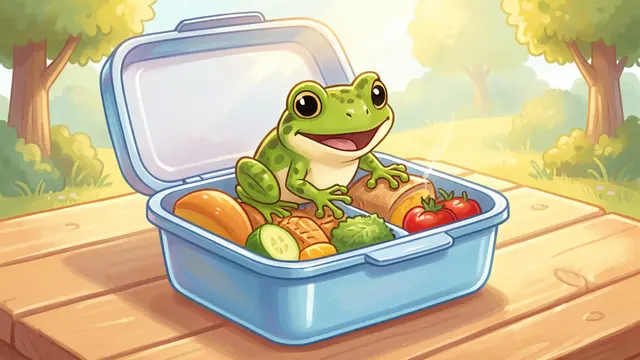 Picture cards
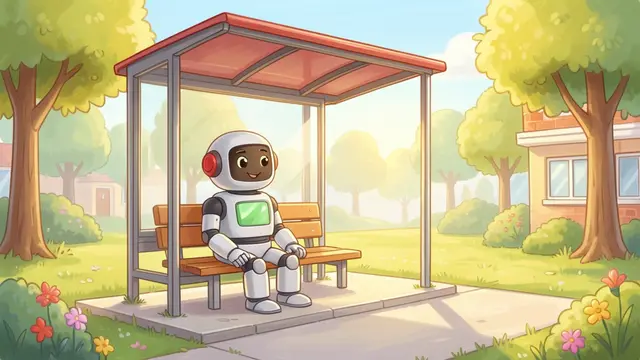 Hero, place, problem
 Cards to print
Story starter picture cards for Year 1 to Year 6
Eight painted cards for every year group. Choose a year, tap a card to turn it over and read its story starter, then say, draw or write what happens next. Every starter is on these pages, written by Litsee for that year. Nothing you tap or type is kept or sent.
Tap a card to turn it over.
Year 1 at a glance
- Ages
- 5–6
- Sentences
- Short sentences of about 4 to 8 words.
- Grammar to practise
- Joining words and ideas with “and”, and marking sentences with a capital letter and a full stop.
National Curriculum, Year 1, Writing – composition: “saying out loud what they are going to write about”. Sentence lengths are Litsee’s rule of thumb, not a curriculum target.
All 20 Year 1 story startersPrint the picture cards and the poster
Each year group’s eight cards on one A4 page to cut out, in colour or black and white, and a poster for the wall: roll a dice for a hero, a place and a problem. “Print” opens your printer’s window with that page; “PDF” saves the same page as a file. No sign-up.
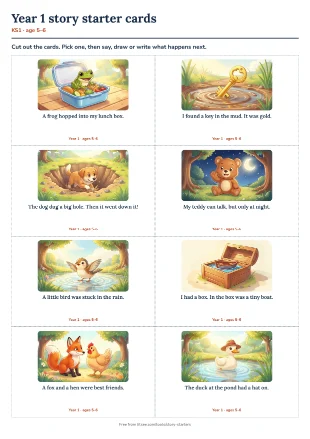
Year 1 story starter cards
The eight Year 1 cards on one page, each with its picture and its starter.
A4 · KS1 · age 5–6
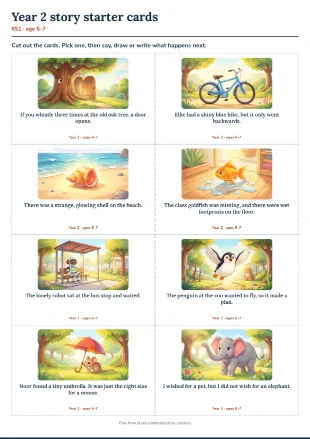
Year 2 story starter cards
The eight Year 2 cards on one page, each with its picture and its starter.
A4 · KS1 · age 6–7
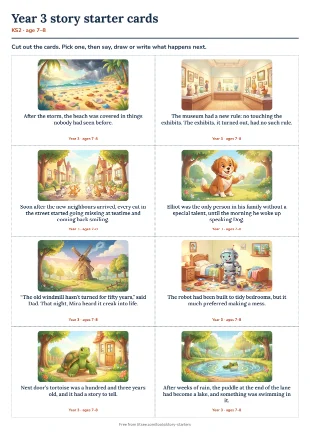
Year 3 story starter cards
The eight Year 3 cards on one page, each with its picture and its starter.
A4 · KS2 · age 7–8
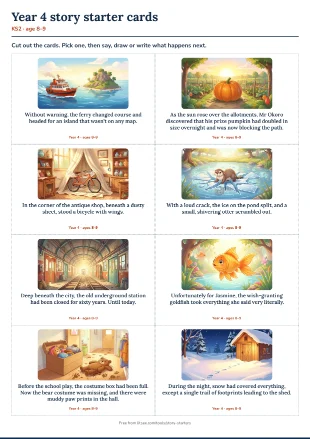
Year 4 story starter cards
The eight Year 4 cards on one page, each with its picture and its starter.
A4 · KS2 · age 8–9
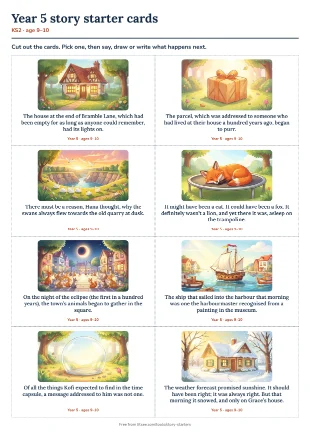
Year 5 story starter cards
The eight Year 5 cards on one page, each with its picture and its starter.
A4 · KS2 · age 9–10
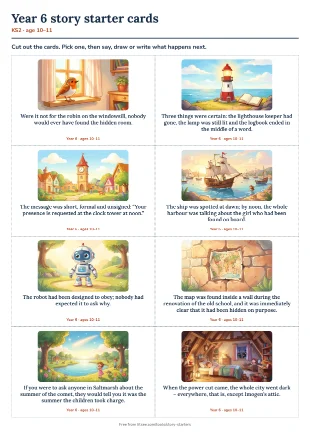
Year 6 story starter cards
The eight Year 6 cards on one page, each with its picture and its starter.
A4 · KS2 · age 10–11
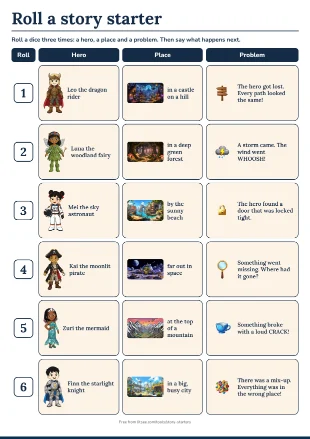
Story starter poster: hero, place, problem
Roll a dice three times: once for a hero, once for a place, once for a problem. Then tell the story.
A4 · KS1 and KS2
Pick a hero, a place and a problem
Three reels and one tap. Spin for a hero, a place and a problem, then say what happens next. Tap one reel to change just that part. Every word comes from a fixed list written by Litsee: no AI, and nothing is kept or sent.
Your story starter
Leo the dragon rider was in a deep green forest. But then Leo found a door that was locked tight.
Now say what happens next. Then write it.
For grown-ups: every starter, the full generator, the curriculum and questions
What your child practises: carrying a story on from its first line: choosing what happens next, what the character does and how it ends, then writing the next page. National Curriculum, Year 2, Writing – composition: “writing narratives about personal experiences and those of others (real and fictional)”.
Pick a year group and a theme, press “Give me a starter” and you get an opening line to write from: 360 starters for ages 5 to 11, written to UK year groups, with choose-your-path choices and printable sets.
Every starter: the full generator
Story starter generator
Only starters that come with three choices for what happens next.
Pick a world
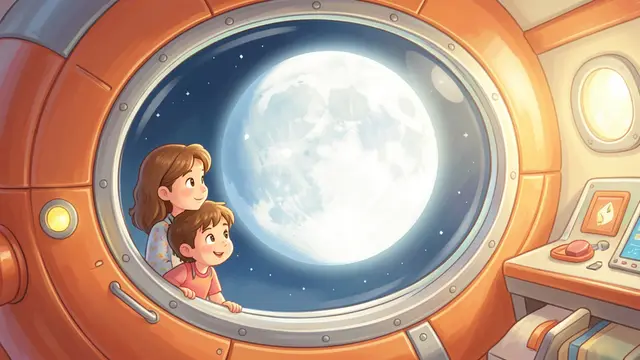 Moon Base
Example starter · Space · Years 1–2
Zara looked out of the rocket window. The Moon was getting bigger and bigger.
Stuck? Say it out loud first. Who is in your story, and what do they want? What goes wrong? How does it end? It doesn’t have to be true.
“Print my story page” puts this starter on an illustrated A4 page, with its words, a checklist for the key stage and lines to carry on writing.
Prints every starter for the year group and theme chosen above.
Make this into a Litsee story
In Litsee your child turns a first line like this into an illustrated story read aloud: they create the hero and choose what happens next. 7-day free trial; a card is needed to start.
The generator picks from a fixed list in your browser. It doesn’t use AI, and nothing you choose is saved or sent anywhere.
Story starters by year group
Year 1 story starters
Ages 5–6 · 20 starters · Grammar: Joining words and ideas with “and”
“I found a key in the mud. It was gold.”
Year 2 story starters
Ages 6–7 · 20 starters · Grammar: Expanded noun phrases
“The school was very quiet because everyone had gone on the trip, except me.”
Year 3 story starters
Ages 7–8 · 20 starters · Grammar: Time
“The last bus of the night was empty, apart from a woman holding a basket that quacked.”
Year 4 story starters
Ages 8–9 · 20 starters · Grammar: Fronted adverbials with a comma
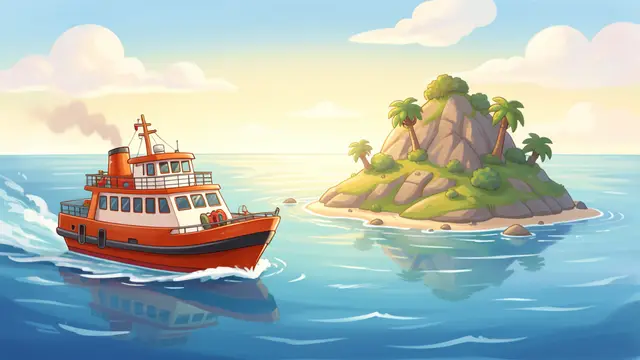
“Without warning, the ferry changed course and headed for an island that wasn’t on any map.”
Year 5 story starters
Ages 9–10 · 20 starters · Grammar: Relative clauses
“Perhaps it was the thunder, or perhaps it was the dog barking, but something woke Leo at exactly three o’clock.”
Year 6 story starters
Ages 10–11 · 20 starters · Grammar: The passive voice
“It was agreed, by everyone except Martha, that the expedition should turn back.”
Or browse by key stage: KS1 story starters (Key Stage 1, ages 5–7) · KS2 story starters (Key Stage 2, ages 7–11)
Practising for an 11+ writing task? 11+ creative writing picture prompts: 22 pictures, five kinds of writing and a plan box for each.
Story starters by theme
 24 starters · 12 words · a story recipe
Space
Lift-off → The surprise → Land and explore → The big problem → Clever fix and home- 24 starters · 12 words · a story recipe
Dinosaur
The meeting → The difference → The need → The obstacle → The goodbye 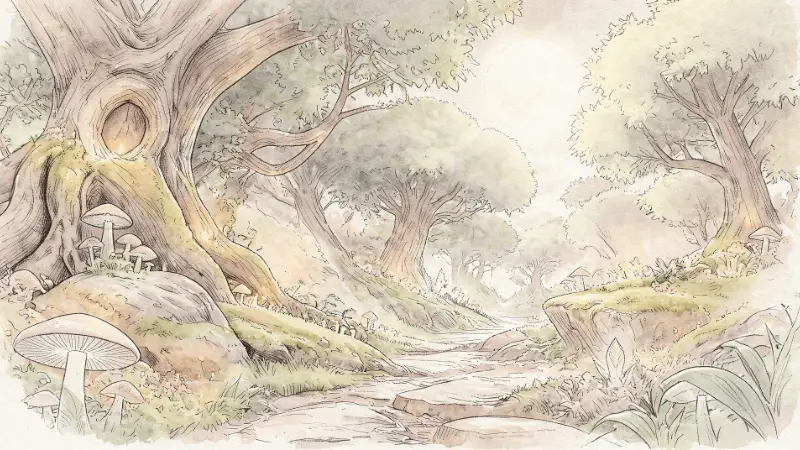 24 starters · 12 words · a story recipe
Mystery
Something is wrong → The detective → Three clues → The twist → The reveal 24 starters · 12 words · a story recipe
Adventure
The call → The goal → Three obstacles → The helper and the choice → The return- 24 starters · 12 words · a story recipe
Football
The player → The setback → The training → The big match → The real win 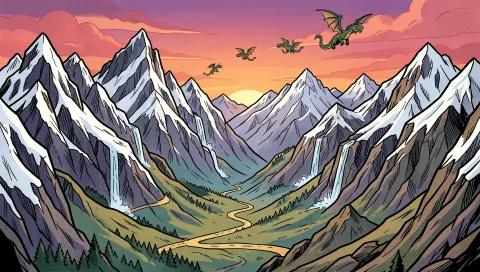 24 starters · 12 words · a story recipe
Dragon
Meet the dragon → The misunderstanding → The friendship → The problem → The solution- 24 starters · 12 words · a story recipe
Pirate
The crew → The prize → The voyage → The island → The real treasure 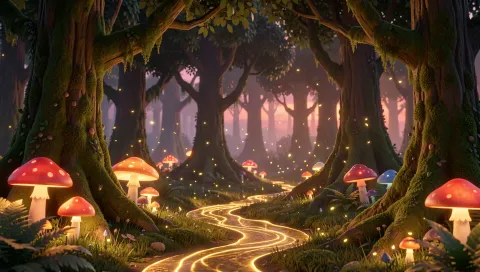 24 starters · 12 words · a story recipe
Fantasy
An ordinary start → The magic → The rules → The trouble → The choice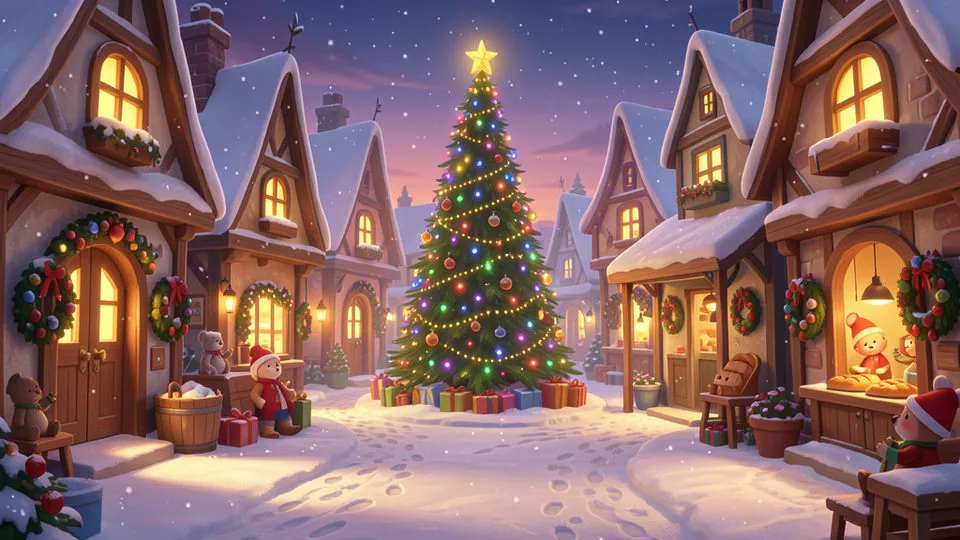 24 starters · 12 words · a story recipe
Christmas
Getting ready → Something goes wrong → Against the clock → Kindness fixes it → Together at last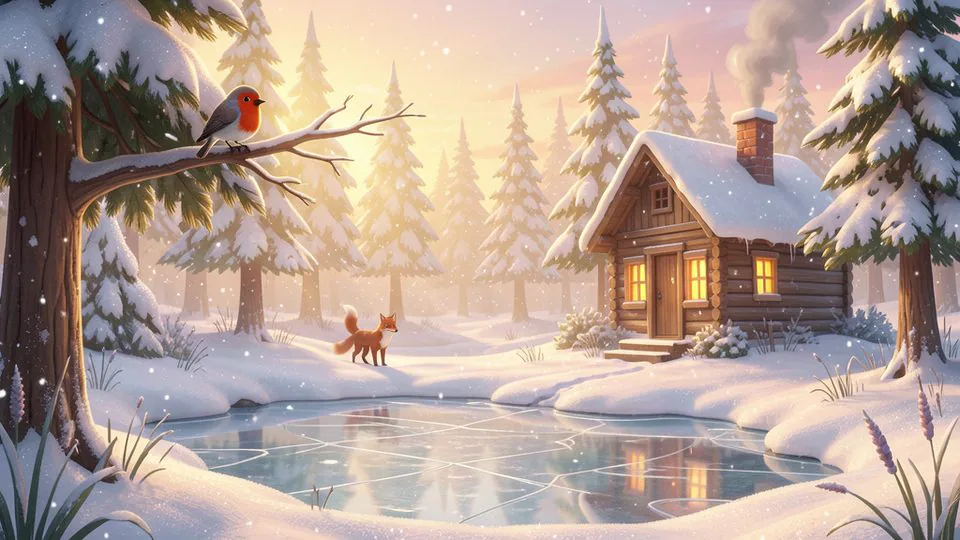 24 starters · 12 words · a story recipe
Winter
The change → The cold makes a problem → Wrap up and set out → Winter know-how → Back in the warm
How to use story starters with your child or class
A story starter is the first line of a story that someone else has written for you. It solves the hardest part of writing, the blank page, and hands a child a character, a place and a question. Their job is to answer it. Used well, starters build confidence, give reluctant writers somewhere to begin and let confident writers focus on craft.
Choose by year group first, then theme. Every starter on these pages is written for a level: short, familiar sentences for Years 1 and 2, more varied openings for Years 3 and 4, and starters that hold information back for Years 5 and 6. Choose your child’s year in the generator, or the key stage if you want more variety. If the starters feel too hard, drop down a year and stretch one together; if they feel too easy, move up. Then pick a theme your child already cares about. Interest does more for writing than anything else.
Use them in three ways. As a five-minute warm-up, draw a starter and ask for the next three sentences, nothing more. As a talk task, turn on “What happens next?” mode, read the three choices aloud, and let your child argue for one before writing it. As a full story, use the theme’s story recipe or the year page’s plan to turn the starter into a beginning, middle and end. All three work at home and in class.
Keep the talk before the writing. At every age, children write better when they have said their ideas out loud first. Read the starter in an expressive voice, ask “What happens next?” and listen. Younger children can draw or act out the story first; older ones can jot notes. Then write.
At home, starters suit short, regular sessions: a few sentences at the kitchen table, a story told in turns at bedtime, a postcard-length tale for a grandparent. In class, display the generator on the whiteboard and give each table a different starter, or print a set for a writing area. Starters for the same theme at different levels let a whole class write about dragons while each child works at their own level.
The generator picks at random, in your browser, from the starters on these pages, and never repeats one until your child has seen them all. Nothing your child chooses is saved or sent, and there is no account to make. When a starter sparks something bigger, Litsee’s app turns a child’s choices into a full illustrated story.
About this page
How it works · Sources
Sources
The year group pages quote the writing expectations for each year word for word from these documents.
How it works
Every starter is written for a year group and shown on these pages, so you always know what your child will see. The generator runs in your browser, and nothing your child chooses is sent anywhere. A finished story is kept on this device only if they press “Keep it on my shelf”.
Last updated: .
Questions parents and teachers ask
What is a story starter?
A story starter is the opening line or two of a story, written to give a child a character, a setting and a question to answer. The child continues the story from there.
How do I choose the right story starter for my child?
Choose their year group in the generator first, then a theme they love. If the starters feel too hard, try the year below and stretch one together; if they feel too easy, try the year above.
Is this story starter generator AI?
No. It picks at random from a fixed list of starters shown on these pages and runs entirely in your browser. Nothing you choose is saved or sent anywhere.
Can I print the story starters?
Yes. Press “Print this set” to print the starters for the year group and theme you have chosen, or print any theme or year page to get its full list.
Are these starters linked to the National Curriculum?
Yes. The year group pages quote the writing expectations from the National Curriculum in England for that year, with the grammar to practise, and the starters are written to match.
Turn a starter into an interactive story your child can steer.
In Litsee, your child creates the hero, picks the world and chooses what happens next in an illustrated story that is read aloud.
Start your free trial7 days free. A card is needed to start, and nothing is charged if you cancel before the trial ends.