
Year 3 story starters and story writing ideas
- 1 Choose
- 2 Read
- 3 Make
- 4 Keep
Choose your story starter
For Year 3 (age 7–8)
For grown-ups: every starter, the full generator, the curriculum and questions
What your child practises: carrying a story on from its first line: choosing what happens next, what the character does and how it ends, then writing the next page. National Curriculum, Year 2, Writing – composition: “writing narratives about personal experiences and those of others (real and fictional)”.
Here are 20 story starters, story prompts and story writing ideas for 7 and 8 year olds in Year 3 (US grade 2), with a generator, the Year 3 writing expectations and practice with conjunctions, paragraphs and speech marks.
Reviewed by Joshua Younger, Education Lead, on .
Every starter: the full generator
Story starter generator
Only starters that come with three choices for what happens next.
Pick a world
 Robot City
Example starter · Year 3
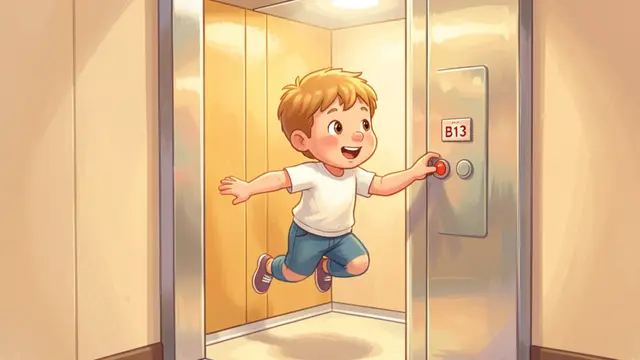
Before anyone could stop him, Rory had jumped into the lift and pressed the button marked B13.
Stuck? Say it out loud first. Who is in your story, and what do they want? What goes wrong? How does it end? It doesn’t have to be true.
“Print my story page” puts this starter on an illustrated A4 page, with its words, a checklist for the key stage and lines to carry on writing.
Prints every starter for the year group and theme chosen above.
Make this into a Litsee story
In Litsee your child turns a first line like this into an illustrated story read aloud: they create the hero and choose what happens next. 7-day free trial; a card is needed to start.
The generator picks from a fixed list in your browser. It doesn’t use AI, and nothing you choose is saved or sent anywhere.
20 Year 3 story starters
- 1.Before anyone could stop him, Rory had jumped into the lift and pressed the button marked B13.
- 2.The last bus of the night was empty, apart from a woman holding a basket that quacked.
- 3.“Don’t open it until your birthday,” said Aunt May. Leila’s birthday was eleven months away.
- 4.After the storm, the beach was covered in things nobody had seen before.
- 5.Because the school roof was being mended, Class 3 had their lessons in a tent on the field, and that was when the strange things started.
- 6.While everyone else was watching the fireworks, Joel noticed a small light bobbing along the riverbank.
- 7.The museum had a new rule: no touching the exhibits. The exhibits, it turned out, had no such rule.
- 8.Kiri’s family had moved to a farm where the cows were the least unusual thing.
- 9.Soon after the new neighbours arrived, every cat in the street started going missing at teatime and coming back smiling.
- 10.The library book Ava borrowed was two hundred years overdue. Inside the cover was a list of everyone who had borrowed it, ending with her own name.
- 11.During the school play, the cardboard castle wobbled, and something peeped out of the window.
- 12.Elliot was the only person in his family without a special talent, until the morning he woke up speaking Dog.
- 13.When the river froze for the first time in fifty years, the whole town came out to skate on it.
- 14.Gran’s garden gnome had moved again. This time it was holding a note.
- 15.“The old windmill hasn’t turned for fifty years,” said Dad. That night, Mira heard it creak into life.
- 16.The school trip to the castle was going well until Hassan found a door that wasn’t on the map.What happens next? A: Behind the door is a room set for a feast, with Hassan’s name on a place card. B: The door leads to a tunnel that comes out in the school playground. C: A knight’s helmet on the wall starts giving him directions.
- 17.Then, as the clock struck twelve, every toy in the shop window turned to face the street.
- 18.The robot had been built to tidy bedrooms, but it much preferred making a mess.
- 19.Next door’s tortoise was a hundred and three years old, and it had a story to tell.
- 20.After weeks of rain, the puddle at the end of the lane had become a lake, and something was swimming in it.What happens next? A: It is a lost seal pup that needs to get back to the sea. B: It is a toy boat with a tiny captain on board. C: It is a family of ducks who have claimed the lake as their kingdom.
Want a theme? Choose one in the generator above to mix in the Years 3–4 starters from that theme.
What Year 3 writing looks like
Some of the statutory requirements for writing in Year 3, quoted from the National Curriculum in England. The programme of study covers two years together; the grammar is from English Appendix 2 for this year.
“discussing writing similar to that which they are planning to write in order to understand and learn from its structure, vocabulary and grammar”
Years 3 and 4, Writing – composition (statutory)
“discussing and recording ideas”
Years 3 and 4, Writing – composition (statutory)
“Expressing time, place and cause using conjunctions [for example, when, before, after, while, so, because], adverbs [for example, then, next, soon, therefore], or prepositions [for example, before, after, during, in, because of]”
Year 3, Sentence (statutory)
“Introduction to paragraphs as a way to group related material”
Year 3, Text (statutory)
“Introduction to inverted commas to punctuate direct speech”
Year 3, Punctuation (statutory)
Grammar to practise in Year 3
Time, place and cause words (when, before, after, while, so, because), and speech marks
Year 3 is when children learn to show when, where and why things happen with conjunctions, adverbs and prepositions, and when inverted commas for speech are introduced. Fronted adverbials with a comma come next, in Year 4.
BeforeMira heard the windmill. She went to look.
AfterAs soon as Mira heard the windmill creak, she went to look, because she had to know who had moved it.
Try it: Continue a starter with one sentence that uses “before”, “after” or “while”, and one line of speech in inverted commas.
How long should the sentences and story be?
A mix of short sentences and two-clause sentences of about 10 to 15 words. A finished Year 3 story might be 3 to 5 short paragraphs: opening, problem, events and ending, with one or two lines of speech. This is Litsee’s rule of thumb, not a curriculum target.
Tips for Year 3 writers
- Read a short story together first and notice how it starts.
- Plan on a story mountain with four or five boxes, one per paragraph.
- Start a new paragraph when the time, place or character changes.
- Put the exact words someone says inside inverted commas.
- Use “so” and “because” to explain why things happen.
How to use these with your child or class
Year 3 is a big step. Children move from Key Stage 1, where a story is a handful of sentences, to Lower Key Stage 2, where they are expected to plan, organise their writing into paragraphs, create settings, characters and plot, and begin to punctuate speech. Story starters help because they remove the blank-page problem and let children spend their energy on these new skills.
Read before you write. The Years 3 and 4 programme asks pupils to discuss writing similar to what they are about to write, so spend five minutes reading a short story or a picture book with a similar idea and talk about how it begins and ends. Then choose a starter. Children who have just heard a good opening write better ones.
Plan in paragraphs. A story mountain with four or five boxes works well in Year 3: the opening (the starter), the build-up, the problem, the resolution and the ending. Explain that each box will become one paragraph, and that a new paragraph starts when the time, the place or the main character changes. Paragraphs are introduced in Year 3 as a way to group related ideas, so expect them to be uneven at first.
Show when and why. Year 3 grammar is about expressing time, place and cause, using words such as when, before, after, while, so and because, adverbs such as then, next and soon, and prepositions such as during and because of. Several starters on this page model these words. Ask your child to use at least two of them in their story, and to explain one thing a character does with “because”.
Add a line of speech. Inverted commas, or speech marks, are introduced in Year 3. Ask for one or two lines of dialogue, not a whole conversation: “Don’t open it,” whispered Leila. Check that only the spoken words go inside the inverted commas. Commas after fronted adverbials and fuller speech punctuation follow in Year 4, so there is no need to worry about those yet.
In class, use the generator to give each table a different starter, then pause halfway through writing for a “paragraph check”: pupils draw a line where each paragraph ends and say what it is about. For homework, the choose-your-path starters work well as talk tasks: discuss all three options at home and write the one you chose.
Worked example: a four-paragraph plan
- Starter: “Gran’s garden gnome had moved again. This time it was holding a note.”
- Paragraph 1: the note says “Follow me”, and the gnome is pointing at the shed.
- Paragraph 2: while Gran is making tea, Kiri follows a trail of tiny footprints.
- Paragraph 3: behind the shed, the gnome’s friends need help because their pond has dried up.
- Paragraph 4: Kiri fills the pond, and the next morning there is a thank-you note.
About this page
Reviewed by Joshua Younger · How it works · Sources
Sources
The quotations in “What Year 3 writing looks like” are copied word for word from these documents, with the year and section each applies to. Sentence lengths are Litsee’s own rule of thumb.
How it works
Reviewed by Joshua Younger, Education Lead, on .
Every starter is written for a year group and shown on these pages, so you always know what your child will see. The generator runs in your browser, and nothing your child chooses is sent anywhere. A finished story is kept on this device only if they press “Keep it on my shelf”.
Questions parents and teachers ask
What should a Year 3 story include?
In England, Year 3 pupils are taught to plan, create settings, characters and plot, group ideas into paragraphs, use words that show time, place and cause, and begin to punctuate direct speech with inverted commas.
Are fronted adverbials taught in Year 3?
Fronted adverbials are listed in English Appendix 2 for Year 4, along with the comma that follows them. Year 3 focuses on conjunctions, adverbs and prepositions that show time, place and cause, so “Before anyone could stop him, …” is a good bridge between the two.
How many paragraphs should a Year 3 story have?
Three to five short paragraphs is a sensible target: opening, problem, events and ending. That is Litsee’s rule of thumb; what matters most in Year 3 is that each paragraph groups related ideas.
What is the US equivalent of Year 3?
Year 3 in England is for ages 7 to 8, roughly second grade in the United States.
Turn a starter into an interactive story your child can steer.
In Litsee, your child creates the hero, picks the world and chooses what happens next in an illustrated story that is read aloud.
Start your free trial7 days free. A card is needed to start, and nothing is charged if you cancel before the trial ends.