Free writing tools for kids
What shall we do?


For grown-ups: what each tool is for, grammar words and questions
Free, printable story writing tools for children aged 5 to 11, written for the UK curriculum. They work in your browser, need no account and never store what your child chooses or types.
Reviewed by Joshua Younger, Education Lead, on .
- Free, no sign-up
- Nothing sent anywhere
- Prints on A4
- Works on the whiteboard
What do you need right now?
Pick the moment you’re in, and we’ll point you at the tool for it.
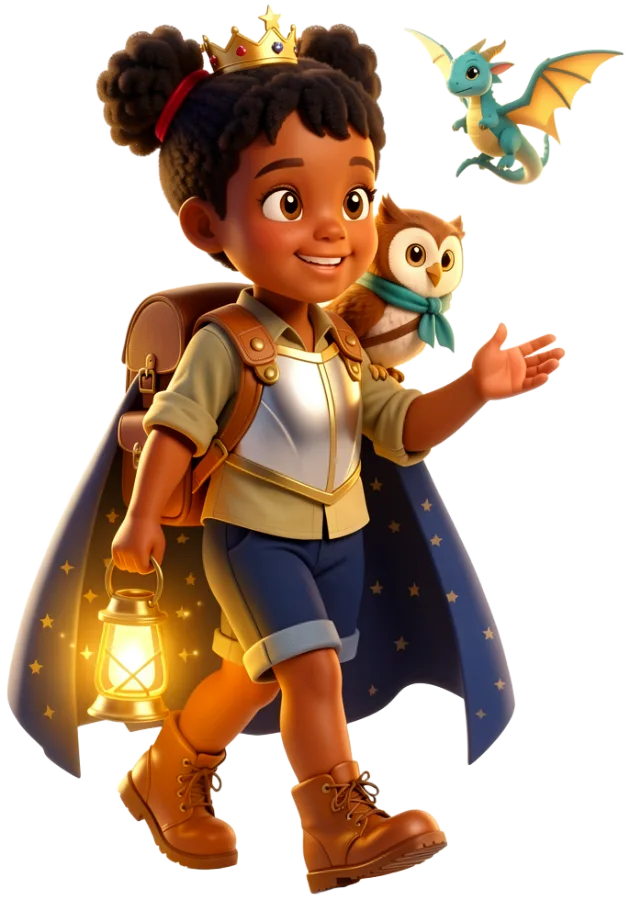
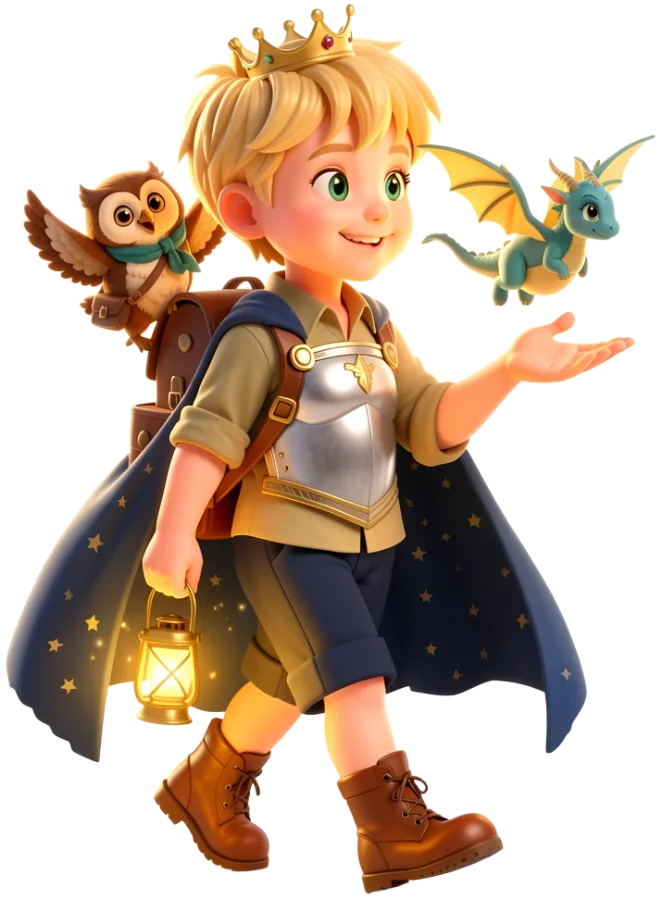
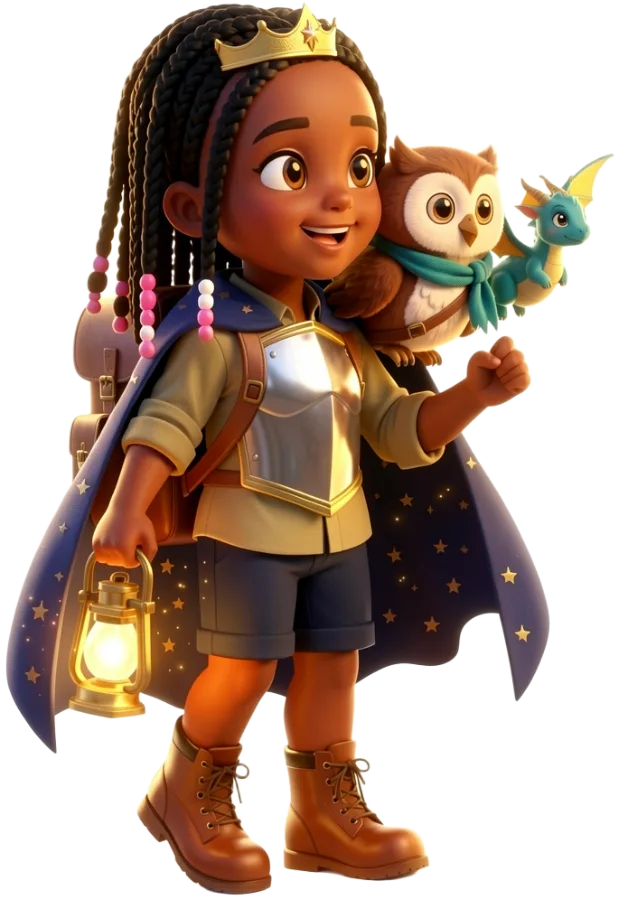
- Something new for bedtime tonightMake your own storyNewYour child picks a hero and a painted world, then decides what happens. Read aloud, with four ways through every world.
- “I don’t know what to write!”Story startersPick their year group and a theme, then a first line that fits, read aloud if they can’t read it yet.
- What do I write in the reading record?Reading record commentsNewThree taps for a short, specific comment to copy. No essays.
- How long should tonight’s story be?Bedtime story calculatorMinutes to words and back, by age, read aloud or read alone.
- Homework: plan a storyStory mountain templateFill the boxes one at a time with prompts for their year group, then print on A4.
- Practice for the 11+ writing task11+ creative writing promptsPicture prompts for stories, descriptions, persuasive writing, letters and diaries, each with a plan box and a practice time.
- Reading over the Christmas holidaysChristmas reading challengeNewTwelve cosy things to read, from cracker jokes to a story on Christmas Eve. Tick them off as you go.
- A letter to SantaLetter to Santa templateNewSentence starters and pictures for little ones, a proper letter for older children, and a reply sheet for you.
- A name for this year’s Christmas elfElf name generatorElf names with meanings, from workshop helpers to cheeky elves who leave surprises.
- A New Year resolution they will want to keepReading resolutions cardNewFifteen small reading resolutions, or one of their own. Pick three and print a card to draw on and tick.
- My child says reading is boringReading bingoComics, jokes and facts all count. Tick squares, not pages.
- Rainy afternoon, bored kidsStory diceRoll nine picture dice and tell a story that uses every one.
- “What’s a fronted adverbial?”Grammar words, explainedThe homework words in plain English, with an example and the year they’re taught.
- A name for their characterCharacter name generatorA name, what it means, and what the character wants and fears.
- A story the class steers togetherMake your own storyNewPut it on the whiteboard, read each page aloud, and let the class vote with a show of hands.
- A starter on the board in ten secondsStory startersWhiteboard view: huge type, three “what happens next?” choices, Space for the next one.
- One task for a mixed-ability classKS2 story startersOne opening, three ways in, and a printable writing page with a checklist for each key stage.
- Topic words for this term’s writingTopic word banksWord mats for 12 primary topics, with meanings, to print on A4.
- A lesson on writing dialogueSynonyms for saidWords grouped by feeling, with when plain “said” is the better choice.
- A speaking and listening warm-upStory diceRoll on the whiteboard, tell the story in pairs, then print a writing page for the roll.
- A seasonal unit, ready to teachStory units29 units with a KS1 and a KS2 story, talk questions and a lesson sheet.
- Plan a story before writing itStory plan templatesA story mountain and 10 text-type plans, step by step on screen or printed.
- Get families reading at homeReading log and record commentsShare the log and the comment builder with parents to make reading records lighter.
Try one now
A story starter, ready to read aloud and carry on.
 Moon Base
Space · Years 1–2
Zara looked out of the rocket window. The Moon was getting bigger and bigger.
Grammar words in homework, explained
The terms in your child’s homework, in plain English, with an example and the year they first appear in the National Curriculum for England.
- Split digraph Year 1
- Two letters that make one sound, split by another letter. For example: a–e in cake, i–e in time
- Expanded noun phrase Year 2
- A noun with extra words that describe it. For example: the huge, hungry dragon with green scales
- Conjunction Years 1–3
- A joining word that links ideas. For example: and, but, because, when, if, before
- Inverted commas Year 3
- Speech marks: they go round the words someone says. For example: “Run!” shouted Mia.
- Fronted adverbial Year 4
- Words at the start of a sentence that say when, where or how, followed by a comma. For example: Later that night, the owl flew away.
- Relative clause Year 5
- Extra information about a noun, starting with who, which, where, whose or that. For example: The boy, who was late, ran to the gate.
- Modal verb Year 5
- A verb that shows how likely or necessary something is. For example: might, could, should, will, must
- Passive voice Year 6
- A sentence that says what was done, not who did it. For example: The window was broken.
- Inference Years 1–6
- Working out what the author hints at but doesn’t say. For example: Her hands shook. (She’s nervous.)
How these tools work
These tools are for the moments when a child wants to write and does not know where to start, and for the adults helping them. Each one does one job well, works on a phone, tablet or whiteboard, and prints cleanly for a writing table or a homework folder.
They are built the same way. Everything they show is written in advance for UK primary children, so you always know what your child will see. They run in your browser, there is no account, no email and nothing to download, and nothing anyone types is saved or sent.
Each tool page also explains how to use it at home and in class, quotes the part of the National Curriculum in England it supports, and is clear about which advice is Litsee’s own rule of thumb.
About this page
Reviewed by Joshua Younger · How it works
How it works
Reviewed by Joshua Younger, Education Lead, on .
Every starter is written for a year group and shown on these pages, so you always know what your child will see. The generator runs in your browser, and nothing your child chooses is sent anywhere. A finished story is kept on this device only if they press “Keep it on my shelf”.
Questions parents and teachers ask
Are these tools really free?
Yes. The tools on this page are free to use and print, with no account or email needed. Litsee’s interactive storybook app is a separate subscription with a 7-day free trial.
Do the tools store what my child types or chooses?
No. The tools run in your browser from lists built into the page, and nothing your child types is saved or sent anywhere. A few things can be kept on your own device if you choose: your hero (only which hero, outfit, world and name from our lists), words tapped into the word chest, the reading garden (dates and minutes only), the endings on a story shelf and which Christmas reading challenges are ticked. They stay in this browser, are never sent, and each has a button to forget them.
Who are the tools for?
Children aged 5 to 11, with the parents and primary teachers who help them write. The pages are written for the National Curriculum in England and use UK year groups.
Turn a starter into an interactive story your child can steer.
In Litsee, your child creates the hero, picks the world and chooses what happens next in an illustrated story that is read aloud.
Start your free trial7 days free. A card is needed to start, and nothing is charged if you cancel before the trial ends.