
FREE TEACHER STORY UNITS · KS1 AND KS2
Seasonal and topic story units for KS1 and KS2
Free story-led lesson plans for the moments that come round each school year, from the autumn term to Easter, and for twelve curriculum topics from the Great Fire of London to the Vikings. Every seasonal unit has a KS1 and a KS2 story on one page, and every topic unit covers the year groups its topic is taught in, with objectives, talk questions, writing tasks, word banks, curriculum links and printable A4 sheets.
Reviewed by Joshua Younger, Education Lead, on .
The units
- English · Reading for pleasure
Family reading café story unit
Any time in the autumn term, ahead of a family reading café or open afternoon.KS1: The Story Café Talk about the people we read with and the different things we can read together.KS2: The Day the Café Ran Out of Stories Explain why people choose to read, and recommend a book or story to someone else with reasons. - English · Reading for pleasure
Library visit story unit
Any time, and especially before or after a class visit to your local library.KS1: My First Library Card Know what a library is for and how to choose a book to borrow.KS2: The Library That Never Closes Use a library's catalogue and shelves to find books, and explain why libraries matter to a community. - English · Narrative writing
Autumn story unit
From the middle of September to the end of November, and a calm choice for the week of Halloween.KS1: Hedgehog's Lantern Walk Notice and describe seasonal changes in autumn using adjectives and the senses.KS2: The Last Lantern of Autumn Use descriptive language and accurate nature facts to bring a seasonal setting to life. - PSHE · Keeping safe
Bonfire Night story unit
Bonfire Night is on 5 November every year. In 2026 it falls on Thursday 5 November, and many local displays are held on the weekend before or after.KS1: Sparkle and the Big Bang Describe simple ways to stay safe around fireworks and sparklers, and how to help a frightened pet.KS2: The Night the Sky Lit Up Explain how to stay safe around fireworks and why rules help keep a community safe. - Religious Education · Festivals
Diwali story unit
In 2026, Diwali Day is Sunday 8 November, the day Leicester City Council holds its Diwali Day celebrations. The festival lasts several days and its date moves each year with the lunar calendar, and some families mark it on a different day: check the date with the families in your class.KS1: The Brightest Diya Describe how some families celebrate Diwali and why light and sharing are important to them.KS2: Lights Along the Street Explain how and why Diwali is celebrated by different communities, using respectful vocabulary. - History · Local history
Remembrance story unit
Armistice Day is 11 November every year, with a two minutes’ silence at 11am; in 2026 that is Wednesday 11 November. Remembrance Sunday falls on the weekend before: check the date of your local service.KS1: The Quiet Poppy Understand simply why people wear poppies and take part in a quiet moment of remembering.KS2: The Garden of Remembering Explain why Remembrance Day is marked and how symbols like the poppy help people remember. - PSHE · Friendship
Anti-Bullying Week story unit
Anti-Bullying Week 2026 ran from Monday 16 to Friday 20 November, starting with Odd Socks Day on Monday 16 November, and the theme was Break the Silence. The Anti-Bullying Alliance announces each year’s dates and theme on its website, ahead of the week.KS1: Odd Socks and Kind Words Recognise unkind behaviour and know to tell a trusted grown-up when something is wrong.KS2: The Day We Broke the Silence Explain how bystanders can help stop bullying and how to ask a trusted adult for help.  English · Narrative writing
Christmas story unit
Any school day in December, up to the end of the autumn term.KS1: The Toy That Lost Its Twinkle Sequence the events of a story and talk about how characters show kindness.KS2: The Village That Saved Christmas Eve Explore how authors build tension towards a climax and resolve it.- Religious Education · Festivals
Hanukkah story unit
In 2026, Hanukkah begins at sundown on Friday 4 December, when the first candle is lit, and ends at nightfall on Saturday 12 December.KS1: Eight Little Lights Describe how some Jewish families celebrate Hanukkah and count the eight nights of lights.KS2: The Light in the Window Explain how and why Hanukkah is celebrated, using respectful vocabulary. 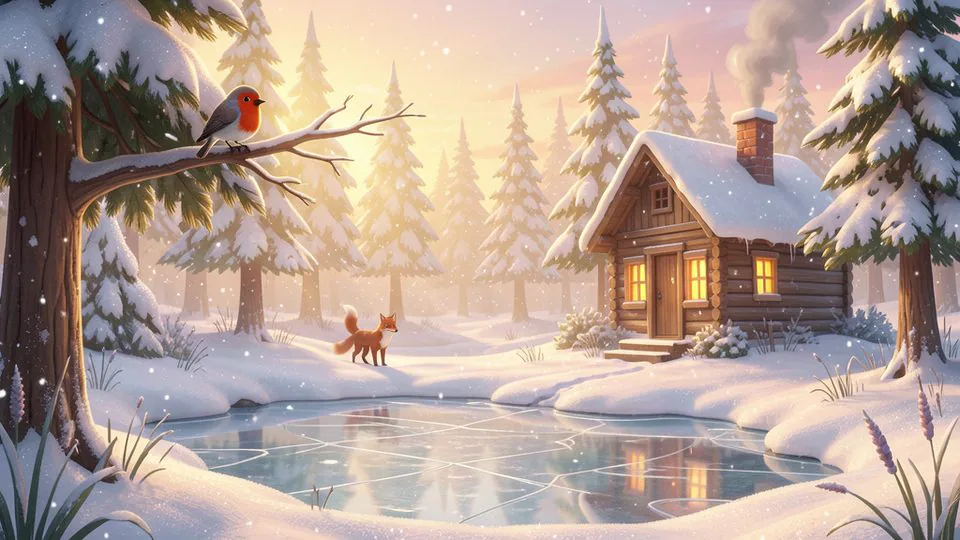 English · Narrative writing
Winter story unit
December and January: before the end of the autumn term or at the start of the spring term.KS1: Robin's Snowy Surprise Describe a winter setting and recognise how kindness helps others in the cold.KS2: The Frozen Lantern Trail Use description and accurate facts to bring a winter setting to life.- PSHE · Respecting differences
Lunar New Year story unit
Lunar New Year’s Day 2027 is Saturday 6 February, the first day of the Year of the Goat.KS1: Little Goat's New Year Describe how some families celebrate Lunar New Year and retell a simple traditional tale.KS2: The Race Across the River Compare how different communities celebrate Lunar New Year and explain the message of a traditional tale. - Computing · Online safety
Safer Internet Day story unit
Safer Internet Day 2027 is on Tuesday 9 February. The UK theme is “Reflect on Tech: exploring digital wellbeing and our relationship with technology”.KS1: The Picture Machine's Muddle Know that computers and AI can make mistakes, keep private things private, and ask a trusted grown-up when unsure.KS2: The Story Checkers Explain simply how AI makes words and pictures, why it can be wrong, and how to use smart tech safely, kindly and in balance. - English · Traditions and news reports
Pancake Day story unit
Shrove Tuesday, or Pancake Day, is Tuesday 9 February 2027: the day before Ash Wednesday, which falls on 10 February.KS1: The Pancake That Wouldn’t Stop Flipping Retell a tale in order, joining in with its repeated line and its three tries.KS2: The Great Flipton Pancake Race Write a newspaper report that answers the five Ws, quotes a witness and keeps facts apart from opinions. - Religious Education · Festivals
Ramadan and Eid story unit
During Ramadan and in the days around Eid al-Fitr, which in 2027 fall in February and March. The dates follow the new moon: check them with the families in your class.KS1: The Moon We Waited For Describe how some Muslim families mark Ramadan and Eid, and why kindness and giving matter to them.KS2: The Lantern of Good Deeds Explain how and why many Muslims mark Ramadan and Eid al-Fitr, using respectful vocabulary. - Science · Habitats
Spring story unit
From February to the end of April: in the spring term, or the first weeks of the summer term.KS1: Hazel Wakes Up Notice and describe signs of spring using adjectives and the senses.KS2: The Meadow Diary Use accurate observation and descriptive language to record seasonal change.  English · Reading for pleasure
Book Day story unit
The national Book Day in 2027 is Thursday 4 March.KS1: The Night the Books Woke Up Talk about favourite books and use covers, pictures and titles to predict what a story is about.KS2: The Library of Lost Endings Compare how different kinds of book work and explain, with reasons, what makes a good ending.- Religious Education · Festivals
Easter story unit
In 2027, Good Friday is Friday 26 March and Easter Monday is Monday 29 March, both bank holidays, so Easter Sunday is 28 March. Most schools in England break up just before.KS1: Look High, Look Low Follow and give simple directions, and describe signs of new life in spring.KS2: The Riddle of the Painted Eggs Explain how Easter is celebrated and why it is important to Christians, and write riddles that use clues and wordplay. - History · Events beyond living memory
Great Fire of London story unit
Any time during your Great Fire of London topic, often taught in the autumn term of Year 2.KS1: The Cat of Pudding Lane Retell events from the Great Fire of London in order, and say how we know about them. - Science · Living things and their habitats
Minibeasts story unit
Any time, and best in spring and summer when minibeasts are easy to find outside.KS1: Ladybird’s Long Way Home Name minibeasts and describe how their habitats give them what they need. - Geography · Hot and cold places
Hot and cold places story unit
Any time during your hot and cold places topic in Years 1 to 4.KS1: From Pole to Pole Locate hot and cold places on a map, and describe what the weather is like there.KS2: The Weather Station Compare hot and cold places using data, and explain how their location affects their climate. - Geography · Oceans and habitats
Oceans story unit
Any time during your oceans or seaside topic, and a good choice for the summer term.KS1: The Turtle’s Lost Shell Name sea creatures and describe their ocean habitat.KS2: The Current Riders Explain how ocean currents and habitats work, and how people can protect marine life. - Science · Earth and space
Space story unit
Any time during your space topic, or for Earth and space in Year 5 science.KS1: The Moon-Pup’s Way Home Describe a journey to the Moon, using space words in the right order.KS2: The Long Way Round Describe the movement of the Earth, the Moon and the planets, using accurate scientific vocabulary. - Science · Rocks and fossils
Dinosaurs and fossils story unit
Any time, and especially for rocks and fossils in Year 3 science or evolution in Year 6.KS1: The Glowing Fossil Describe what a fossil is and name some dinosaurs that ate plants or meat.KS2: The Cliff’s Secret Explain how fossils form and what they tell us about living things from millions of years ago. - Geography · Biomes and habitats
Rainforests story unit
Any time during your rainforests or habitats topic.KS1: Up, Up, Up! Name the layers of a rainforest and describe what lives in each one.KS2: The Canopy Rescue Explain how rainforest layers provide different habitats, and why rainforests are worth protecting. - History · Stone Age to Iron Age
Stone Age story unit
Any time during your Stone Age to Iron Age topic in Years 3 and 4.KS2: The Flint Finders Describe daily life in the Stone Age and explain how archaeologists know about it. - History · The Roman Empire and Britain
Romans story unit
Any time during your Romans topic in Years 3 to 6.KS2: The Lost Mosaic Describe ways the Romans changed life in Britain, using evidence from the story and the topic. - History · The earliest civilisations
Ancient Egypt story unit
Any time during your Ancient Egypt topic in Years 3 to 6.KS2: The Scribe’s Secret Explain how the Nile and writing helped Ancient Egypt become a great civilisation. - History · The Vikings and Anglo-Saxons
Vikings story unit
Any time during your Vikings and Anglo-Saxons topic in Years 4 to 6.KS2: The Longship’s New Home Explain why many Vikings came to Britain, and how settlers and villagers could live and trade together. - Geography · Volcanoes and earthquakes
Volcanoes story unit
Any time during your volcanoes and earthquakes topic in Years 3 to 6.KS2: The Waking Mountain Explain how volcanoes form and erupt, and how scientists help people stay safe.
What is in every unit
Each unit starts with a class story: a short, gentle story written for the moment, with one version for younger children (Reception to Year 2) and one for older children (Years 3 to 6). Around the story sit the things you need to teach from it: a learning objective, questions to talk about, a writing task, a word bank with child-friendly meanings, the features of the text type children will write, and the National Curriculum statements it serves, quoted word for word.
Most seasonal units come from the class-story packs in the Litsee app (the Pancake Day unit was written for this site), and every unit follows the rule Litsee writes those packs with: keep it cosy, kind and gentle for children aged 5 to 11. Nothing frightening, no peril that lasts, and no unkindness left unresolved. Festivals are shown through what families do, in their own words, without religious claims.
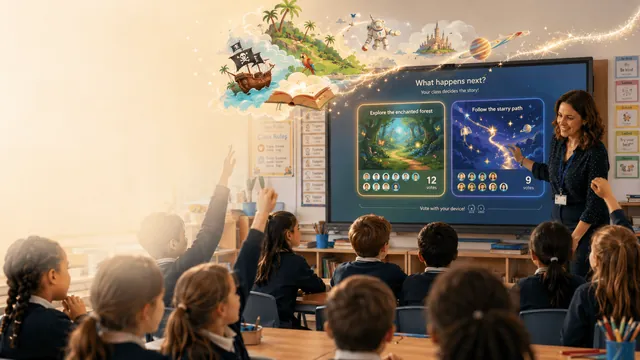
You can teach every unit from this page alone. Print the lesson sheets, read the sample opening aloud, and let your class carry the story on in their own writing. If you use Litsee, you can also run the same brief as a live class story, written and illustrated chapter by chapter, with the class choosing what happens next.