
Fantasy story starters for kids
- 1 Choose
- 2 Read
- 3 Make
- 4 Keep
Choose your story starter
About Fantasy
For grown-ups: every starter, the full generator, the curriculum and questions
What your child practises: carrying a story on from its first line: choosing what happens next, what the character does and how it ends, then writing the next page. National Curriculum, Year 2, Writing – composition: “writing narratives about personal experiences and those of others (real and fictional)”.
Here are 24 fantasy story starters for children aged 5 to 11, full of magic, hidden worlds and talking creatures, with a generator and a plan for building a world that makes sense.
Reviewed by Joshua Younger, Education Lead, on .
Every starter: the full generator
Story starter generator
Only starters that come with three choices for what happens next.
Pick a world
 Wizard Village
Example starter · Fantasy · Years 1–2
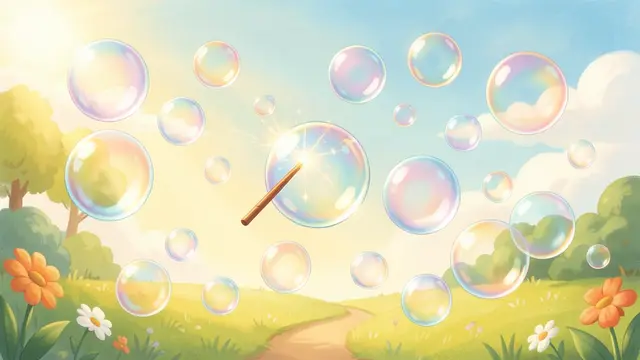
The magic wand only made one thing: bubbles. Big, shiny, floating bubbles.
Stuck? Say it out loud first. Who is in your story, and what do they want? What goes wrong? How does it end? It doesn’t have to be true.
“Print my story page” puts this starter on an illustrated A4 page, with its words, a checklist for the key stage and lines to carry on writing.
Prints every starter for the year group and theme chosen above, with the fantasy word bank.
Make this into a Litsee story
In Litsee your child turns a first line like this into an illustrated story read aloud: they create the hero and choose what happens next. 7-day free trial; a card is needed to start.
The generator picks from a fixed list in your browser. It doesn’t use AI, and nothing you choose is saved or sent anywhere.
All 24 fantasy story starters
KS1 (Years 1–2) · ages 5–7
- 1.The magic wand only made one thing: bubbles. Big, shiny, floating bubbles.
- 2.There was a fairy living in the teapot. She was cross because it was hot.
- 3.Ivy’s shoes could fly. She just had to say the right word.Has three “What happens next?” choices
- 4.The toy unicorn came to life at night. It wanted to see the sea.
- 5.When Arlo opened his book, a tiny knight jumped out of it.
- 6.The rainbow had fallen down in the park. Someone had to put it back.
- 7.Mum’s old umbrella was magic. When it rained, it took you somewhere new.
- 8.The giant was very kind, but he was too big to play hide and seek.
Years 3–4 · ages 7–9
- 9.Every child in the kingdom got their magic on their ninth birthday. Elodie was nine and a half, and she was still waiting.
- 10.The old map in the attic showed the town as it was now, plus one street that Hugo had never seen before.
- 11.The spell book was due back at the library on Friday, but Kian still hadn’t worked out how to undo spell number seven.Has three “What happens next?” choices
- 12.The trees in Thistlewood Forest could talk, but only to people who told the truth.
- 13.At midnight, the paintings in the gallery swapped places, and a girl from one of them stepped out onto the floor.
- 14.The wizard’s apprentice had been told to sweep the tower. Instead, she had opened the forbidden cupboard.
- 15.Priya’s grandmother gave her a necklace with a stone that changed colour whenever someone nearby told a lie.
- 16.The kingdom of Ember had always been warm. Then, one morning in June, it began to snow.
Years 5–6 · ages 9–11
- 17.In the city of Lumen, every person’s shadow could talk. Cass had never heard hers say a word, until today.
- 18.Magic had been banned in Hollowmere for a hundred years, which made it awkward when Jude accidentally turned his teacher’s desk into a tree.
- 19.The prophecy said a child would save the kingdom. It did not say that the child would be the baker’s daughter, or that she would rather stay at home.Has three “What happens next?” choices
- 20.The mirror in the hallway showed the room exactly as it was, except that in the reflection, the door was open.
- 21.Each spell cost the caster one memory. Nell had cast eleven spells, and she was starting to forget her own name.
- 22.The last of the sky whales was due to fly over the valley at dawn, and the whole village was waiting on the hill.
- 23.When the stars went out one by one, the astronomers panicked. Only Wren noticed that they were falling into the lake.
- 24.Tomas could hear what objects were thinking. The old key in his pocket had been worried all day.
What happens next? Three choose-your-path starters
Read the starter, read the three choices aloud and let your child pick one, then write that part of the story.
Years 1–2
Ivy’s shoes could fly. She just had to say the right word.
- She flies to the top of the tallest tree and finds a nest of golden eggs.
- She forgets the word to land and floats all the way to the clouds.
- Her little brother finds the shoes and tries them on.
Years 3–4
The spell book was due back at the library on Friday, but Kian still hadn’t worked out how to undo spell number seven.
- Spell number seven has turned his sister into a very chatty goldfish.
- The librarian turns out to be a retired witch who offers to help, for a price.
- He finds a spell number eight that might fix it or make it worse.
Years 5–6
The prophecy said a child would save the kingdom. It did not say that the child would be the baker’s daughter, or that she would rather stay at home.
- She tries to pass the task on to someone else, and it goes wrong in an unexpected way.
- She accepts, on the condition that her best friend comes with her.
- She discovers the prophecy has been mistranslated, and the real task is very different.
A fantasy story recipe
Fantasy works best when the magic has rules. Decide them before you write, and the story will hold together.
- 1
An ordinary start
Begin in a normal place, so the reader feels the moment magic appears.
- 2
The magic
Introduce one magical thing: an object, a creature, a door, a power.
- 3
The rules
Show what the magic can do, what it cannot do and what it costs.
- 4
The trouble
The magic causes a problem or is needed to solve one, and the rules make it hard.
- 5
The choice
The hero must use the magic wisely, give it up or find a cleverer way. The world is changed by what they choose.
Want to plan it on paper? Use the free story mountain template, fill in the five boxes online and print it.
Fantasy words
Twelve words to use in a fantasy story, with meanings a child can understand.
- enchanted
- under a magic spell
- prophecy
- a message that says what will happen in the future
- apprentice
- someone learning a skill from an expert
- realm
- a kingdom or a whole other world
- potion
- a magic drink that makes something happen
- quest
- a long journey to find or do something important
- mythical
- from myths and legends, not real
- incantation
- the special words said to make a spell work
- portal
- a magic doorway into another place
- sorcerer
- a person who can do powerful magic
- invisible
- impossible to see
- transform
- to change completely into something else
Curriculum links
Where a fantasy story fits the National Curriculum in England:
“in narratives, creating settings, characters and plot”
Years 3 and 4, Writing – composition (statutory)
“in writing narratives, considering how authors have developed characters and settings in what pupils have read, listened to or seen performed”
Years 5 and 6, Writing – composition (statutory)
How to use these with your child or class
Fantasy lets children invent anything, which is both the joy and the difficulty. A story where any problem can be solved by magic has no tension: if the wand can fix everything, why worry? The single most useful thing you can do is ask your child to decide three rules for their magic before they write: what it can do, what it cannot do and what it costs.
Rules make the story. A wand that only makes bubbles, a spell that costs a memory, a pair of flying shoes that need a word nobody can remember: these limits create problems, and problems create plots. In Key Stage 2, ask children to show a rule early in the story (the reader sees the necklace change colour when someone lies) and then use it at the climax. Readers love it when something set up at the start pays off at the end.
Start somewhere ordinary. Many of the starters begin in a kitchen, a library, a park or a gallery. The ordinary setting makes the magic feel more magical, and it gives younger writers a place they can describe from real life before the fantasy begins.
Invent words carefully. Fantasy writers name places, creatures and spells, and children enjoy doing the same. Encourage names that sound like what they describe (Thistlewood Forest, the kingdom of Ember) and keep a little glossary at the side of the page so the spellings stay consistent. It is also a chance to talk about prefixes and suffixes: a “glimmerling” sounds small because of the -ling ending.
Make the world their own. Children often want to write about worlds from famous books and films. Reading those books is wonderful, and in Years 5 and 6 the curriculum asks pupils to consider how authors develop characters and settings. But for writing, help them invent their own world with their own rules; it is more satisfying and it stops the story becoming a retelling.
At home, play “what if” before writing: what if the rain was lemonade, what if your shadow could talk, what if the toys woke up at night? Pick your favourite answer and match it to a starter. In class, give each group a magical object and three rules on a card, then ask them to write a story where the rules cause the problem and also solve it.
Worked example: three rules for magic (Years 5–6)
- Starter: “Each spell cost the caster one memory. Nell had cast eleven spells, and she was starting to forget her own name.”
- Can do: any spell, if Nell says the incantation in the right order.
- Cannot do: bring back a memory once it has gone.
- Costs: one memory, chosen by the magic, not by Nell.
- Plot: Nell must cast one final spell to save her village, and decides to write her memories in a notebook first.
About this page
Reviewed by Joshua Younger · How it works · Sources
Sources
The curriculum links on this page are copied word for word from these documents, with the year and section each applies to.
How it works
Reviewed by Joshua Younger, Education Lead, on .
Every starter is written for a year group and shown on these pages, so you always know what your child will see. The generator runs in your browser, and nothing your child chooses is sent anywhere. A finished story is kept on this device only if they press “Keep it on my shelf”.
Questions parents and teachers ask
How do children write a good fantasy story?
Start in an ordinary place, introduce one magical thing and decide its rules: what it can do, what it cannot do and what it costs. The rules create the problem, and a clever use of them solves it.
What is the difference between fantasy and fairy tale starters?
Fairy tales usually follow traditional patterns such as three tries, a wicked character and a happy ending. Fantasy stories build a whole new world with its own rules. Some of the KS1 starters here, such as the kind giant, sit between the two.
Can children write about characters from famous fantasy books?
Reading those books helps, but for writing it is better to invent their own world and characters. It gives them freedom to decide what happens and makes the story theirs.
Which fantasy starters suit Year 6?
Choose “Year 6” or “KS2” in the generator, or use the Years 5–6 starters on this page, such as the talking shadows of Lumen or spells that cost memories. They suit longer stories with clear magical rules.
Turn a starter into an interactive story your child can steer.
In Litsee, your child creates the hero, picks the world and chooses what happens next in an illustrated story that is read aloud.
Start your free trial7 days free. A card is needed to start, and nothing is charged if you cancel before the trial ends.