
Adventure story plan template for KS1 and KS2
- 1 Plan
- 2 Tap
- 3 Keep
Example Kai and the Golden Key
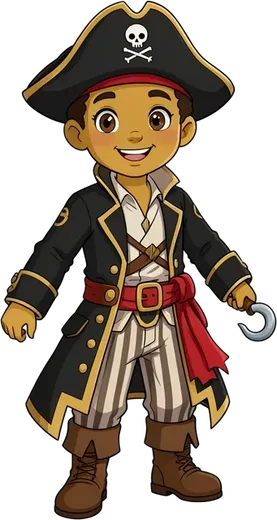
- 1 Hero and homeKai the moonlit pirate lived on a creaky ship in a sleepy harbour.
- 2 The call to adventure
 A seagull dropped a message: the Golden Key had been stolen!
- 3 The journey
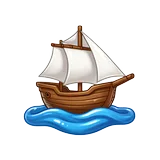 They sailed across a sea full of jumping fish.
- 4 The biggest challenge
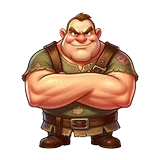 A grumpy giant stood on the bridge and would not let them pass.
- 5 Home again
 They came home with the treasure, and the whole town cheered.
Plan your own story!
For grown-ups: the template to type and print, features, an example and questions
What your child practises: planning an adventure story part by part, then writing it again in their own words. National Curriculum, Year 1, Writing – composition: “sequencing sentences to form short narratives”.
Plan an adventure story in five steps, from leaving home to coming back changed. Fill in the template online with prompts for your child’s year group, print it, and check the features of an adventure story for KS1 and KS2.
Reviewed by Joshua Younger, Education Lead, on .
Type a plan, or print one blank
Plan it online, then print it
Your plan is not saved. Nothing you type here is stored or sent anywhere. It stays on this page only until you close or refresh it, so print your plan when you have finished.
Written for adventure story writing. The prompts change with the year group.
1 Hero and home
Introduce your hero in their everyday world. Give them one skill or object that will help later.
2 The call to adventure
What sends the hero on the adventure: a map, a message, a lost friend, a dare?
3 The journey
Describe the new place with the senses. Add one obstacle on the way: a river, a locked gate, a storm.
4 The biggest challenge
The most exciting moment. Use short sentences and powerful verbs to show the action.
5 Home again
How does the hero get home, and what have they learned?
Prints one A4 page with the adventure story plan and the prompts for Years 3–4. To keep a copy, choose “Save as PDF” in your browser’s print window.
Features of an adventure story
Purpose: To entertain the reader with an exciting journey or quest, in which a hero meets challenges and comes back changed.
What children are usually taught to include at each stage. These lists are Litsee’s guidance, based on common UK primary practice; the curriculum quotations below are the statutory part.
KS1 (Years 1–2)
Ages 5–7
- A hero (the main character) who goes somewhere new
- A clear beginning, middle and end
- Something goes wrong, and the hero fixes it
- Time words to show the order: first, next, then, in the end
- Describing words for the places the hero visits
- Sentences joined with and, but or because
Years 3–4
Ages 7–9
- An opening in a familiar place before the adventure begins
- A quest or journey with at least one obstacle
- A setting described using the senses
- Action shown with powerful verbs (scrambled, clung, bolted)
- Short sentences at exciting moments to build suspense
- A new paragraph for each new part of the journey
- Direct speech to show what characters say and feel
Years 5–6
Ages 9–11
- A hero with a clear goal and a reason to hesitate
- Rising tension through obstacles that get harder
- Atmosphere built through setting, weather and sound
- Sentence length varied to control the pace at the climax
- Dialogue that moves the action on and shows character
- A cliffhanger at the end of a paragraph to keep the reader going
- A resolution that uses something set up earlier
- An ending that shows how the hero has changed
In the National Curriculum
“sequencing sentences to form short narratives”
Year 1, Writing – composition (statutory)
“in narratives, creating settings, characters and plot”
Years 3 and 4, Writing – composition (statutory)
“in narratives, describing settings, characters and atmosphere and integrating dialogue to convey character and advance the action”
Years 5 and 6, Writing – composition (statutory)
Worked example: The Cave Behind the Waterfall
A worked example written for this page, at the level of Years 3–4: first the plan, then the piece written from it.
1. Hero and home
Asha, 9, on holiday in the hills with Gran. She always carries a stick of chalk for drawing arrows on paths.
2. The call to adventure
Her dog, Biscuit, chases a rabbit behind the waterfall and doesn’t come back.
3. The journey
A cave of glowing green crystals. Cold spray, echoing drips, slippery rocks. Obstacle: the tunnel splits three ways.
4. The biggest challenge
Biscuit is stuck on a ledge. Asha lifts him down, then realises every tunnel looks the same.
5. Home again
She follows the chalk arrows she drew at each turn. Gran is waiting with cocoa. Tomorrow, Asha will show her the crystals.
The finished piece: The Cave Behind the Waterfall
Asha never went anywhere without a stick of chalk in her pocket. Gran said it was a funny thing to take on holiday, but Asha liked drawing arrows on paths so that she could always find her way back.
On the third morning, Biscuit spotted a rabbit. He chased it along the riverbank, through the ferns and straight behind the waterfall. Then he was gone.
Asha squeezed past the roaring water. Behind it was a cave that glittered with green crystals. Drips echoed. The rocks were cold and slippery. When the tunnel split three ways, she chalked an arrow on the wall and chose the middle path.
A whimper came from above. Biscuit was stuck on a ledge, shivering. Asha climbed up, lifted him down and hugged him tight. Then she looked around. Every tunnel looked exactly the same.
Then she remembered the chalk. Arrow by arrow, she followed her own trail back into the sunshine, where Gran was waiting with a flask of cocoa. “Tomorrow,” said Asha, “I’m showing you the crystals.”
How to use this plan at home or in class
An adventure story has a simple shape: a hero leaves the safety of home, meets challenges on a journey and comes back changed. It is the story children write most often at primary school, which is exactly why it is worth planning. Without a plan, adventures tend to become a list of “and then” events that never reach a proper ending. The five boxes above keep the story to one journey, one or two obstacles and one big challenge.
In KS1, tell the adventure before writing it. Draw a simple map of the journey, with a picture for each place, and let your child walk a finger along it while they tell the story out loud. The Year 1 curriculum asks children to sequence sentences into short narratives, so three boxes (beginning, middle and end) are plenty: choose that plan in the planner and set the year group to KS1. Time words such as first, next and in the end help the sentences hold together.
In Years 3 and 4, the curriculum asks children to create settings, characters and plot, and adventure stories exercise all three. Spend time on the journey box: one new place, described with the senses, and one obstacle. Powerful verbs carry the action (scrambled, clung, bolted), and a short sentence on its own makes the exciting moment stand out. Start a new paragraph whenever the hero reaches a new place.
In Years 5 and 6, the craft is pace and atmosphere. Children can build tension through obstacles that get harder, slow time down at the climax with the hero’s thoughts, and end a paragraph on a cliffhanger. Ask them to plant something early (a skill, an object, a piece of advice) that the hero uses at the climax. That single choice makes an ending feel earned rather than lucky.
Three habits often weaken adventure stories: the hero is rescued by someone else, the problem is solved by luck, or the story ends with “it was all a dream”. The planner’s resolution prompts are written to steer away from all three. Ask, “What does your hero do to get out of trouble?”
Fill the boxes with notes, not finished sentences, then write one paragraph for each box. At home, plan out loud on a walk and jot the notes down afterwards. In class, model a plan on the whiteboard first, then print a blank plan for each pupil at the right year group.
About this page
Reviewed by Joshua Younger · How it works · Sources
Sources
The quotations in “In the National Curriculum” are copied word for word from these documents, with the year and section each applies to. The features lists, prompts, advice and worked example are Litsee’s guidance.
How it works
Reviewed by Joshua Younger, Education Lead, on .
The planner runs in your browser. Nothing you type is saved, stored or sent anywhere, and it disappears when you close or refresh the page.
Questions parents and teachers ask
What are the features of an adventure story?
A hero who leaves home on a journey or quest, a setting described in detail, obstacles that build tension, an exciting climax and an ending where the hero returns changed. Older children add atmosphere, dialogue and cliffhangers.
How do you plan an adventure story in KS2?
Use five boxes: hero and home, the call to adventure, the journey, the biggest challenge and home again. Write notes in each box, plant a skill or object early that the hero uses later, and write one paragraph per box.
How long should an adventure story be?
As a rule of thumb, a few sentences per box in Year 2, about five paragraphs in Year 4 and six to eight paragraphs in Year 6. A finished short adventure is better than a long one with no ending.
Can I print a blank adventure story plan?
Yes. Choose the year group in the planner and press “Print a blank plan” for an empty A4 template with the prompts, or fill it in first and press “Print my plan”.
Can I use it to plan a choose-your-own-adventure story?
Yes. Plan the main journey in the five boxes first. Then, at the biggest challenge, note two choices the hero could make, and plan a short way through and an ending for each, so the reader picks the path. Litsee’s free interactive stories work the same way: the reader picks what happens next.
From plan to story: let your child steer an interactive story.
In Litsee, your child creates the hero, picks the world and chooses what happens next in an illustrated story that is read aloud.
Start your free trial7 days free. A card is needed to start, and nothing is charged if you cancel before the trial ends.