
Coralie
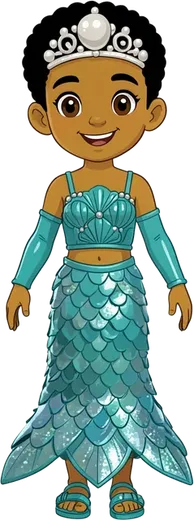
From coral, for a little mermaid who lives in a bright coral garden.
- Secret power
- ?
- Scared of
- ?
- Always says
- ?
Analytics cookies to improve Litsee? No ads.
With your permission, Google Analytics measures visits and Microsoft Clarity records clicks, scrolling and page interactions, with form inputs and page text masked. We use no advertising cookies.
Change it any time with Cookie settings. Privacy policy · Google privacy · Microsoft privacy
From coral, for a little mermaid who lives in a bright coral garden.
Make your own hero and they join every card as a friend.
What your child practises: making up a character (a name, a power, a worry and what they say), then writing their first adventure. National Curriculum, Years 3 and 4, Writing – composition: “in narratives, creating settings, characters and plot”.
Press the button for a mermaid or merman name and what it means. Choose little rock-pool merfolk, deep-sea explorers or splashy, silly names, add a title such as “of the Kelp Forest”, or build your own from sea-sounding parts. Every name is hand-picked and child-safe, with tips for KS1 and KS2 stories.
Reviewed by Joshua Younger, Education Lead, on .
Short, bubbly names from real shore creatures and seaweeds, for little merfolk who play in the shallows.
Flowing names built from real sea words, for merfolk who swim far and explore the open ocean.
Gurgly, giggly names for merfolk whose adventures end in bubbles and laughter.
Press Big screen above the card to make one character together on the board: the class votes A, B or C for the power, the worry and the catchphrase. Then print the class set below: eight names with their meanings, with the rest left blank for each child to finish and draw.
A finished card is a small character plan. The worry gives the story its problem, the power gives the way out, and the catchphrase is the first line of dialogue. The printed card comes with a page to write the character’s first adventure.
Goes after the name
Join one from each list
Mermaids and mermen live in a world most children have only glimpsed from a beach, so their names are a chance to bring that world closer. The richest source is the sea itself: real creatures, seaweeds and places. Blenny, Goby and Rockling are all small fish found in British rock pools; Dulse and Kelpa come from seaweeds; Covey takes its name from a cove. A name like this teaches a new word and paints a setting at the same time.
Listen to how the name moves. Merfolk names often flow, with soft sounds like l, m and r and long vowels that seem to ripple: Marenna, Undara, Littora. Short, splashy names with a bounce, like Sprat or Finlo, suit a quick little merchild who darts between rocks. Reading two names aloud side by side, one flowing and one splashy, is a simple way to show children how sound can suggest movement.
Many of the deep-sea names come from Latin and Greek words for the sea that still turn up in science and geography. Mare is Latin for sea, unda means wave and pelagos is Greek for the open sea. Older pupils can treat these roots as clues: once they know that mare means sea, words like marine and submarine start to make sense, and they can invent explorer names of their own.
It is worth steering around a few names. Some famous mermaids belong to films and books, and some sea names come from gods and spirits in old myths, which are best left to those stories. Merfolk in children’s writing do not need to be princesses either. A merman who maps the seabed or a mermaid who frees a tangled turtle can carry a whole story, and names like Fathom or Atolla give them room to be explorers.
At home, press for a name, then imagine together where that merperson lives and what they collect. In class, pupils could make an underwater passport: name, meaning, home reef or rock pool, and a favourite sea creature friend. It links well with a beach visit or a science lesson on habitats, because children can name their merfolk after creatures they have actually seen. The adventure story starters make a good next step.
Finally, let the name pull the plot along. A mermaid called Fathom might be the only one who can reach something that has sunk too deep for everyone else. A merboy called Sidesteppy, who swims sideways like a crab, might spot a hidden cave that everyone swimming straight ahead has missed. When the name and the problem fit together, readers enjoy the moment it all makes sense.
Written for this page, at the level of Years 3–4
Coralie had lived in the rock pools of Gull Bay all her life, and she knew every crab, limpet and starfish by name. So when a glass bottle came bobbing through the kelp one morning, she knew at once that it did not belong.
She swam it over to Goby, who was the cleverest merchild in the bay, and Sprat, who was the fastest. “There’s a note inside,” said Goby, pressing his nose to the glass. “It’s a map. And look at the corner: someone has drawn a mermaid.”
Sprat’s tail began to wiggle. “Nobody has ever been past the Silver Shallows,” he said. Coralie smiled. “Then we’ll be the first.”
“using a capital letter for names of people, places, the days of the week, and the personal pronoun ‘I’”
Year 1, Writing – vocabulary, grammar and punctuation (statutory)
“expanded noun phrases to describe and specify [for example, the blue butterfly]”
Year 2, Writing – vocabulary, grammar and punctuation (statutory)
“in narratives, creating settings, characters and plot”
Years 3 and 4, Writing – composition (statutory)
“in narratives, describing settings, characters and atmosphere and integrating dialogue to convey character and advance the action”
Years 5 and 6, Writing – composition (statutory)
The quotations above are copied word for word from this document, with the year and section each applies to. The names, meanings, tips and story opening are Litsee’s own.
Reviewed by Joshua Younger, Education Lead, on .
Every name comes with its meaning and is shown on this page, so you always know what your child will see. The generator runs in your browser, and nothing your child chooses is sent anywhere. A card is kept on this device only if they press “Keep it”.
A good mermaid name sounds like the sea. Soft, flowing names such as Marenna or Coralie suit graceful characters, while short ones like Goby or Sprat suit lively little merfolk. Names from real sea creatures and seaweeds, like Blenny or Dulse, also teach children new words about the seashore.
A male mermaid is usually called a merman, and a young one is sometimes called a merboy. Merfolk or merpeople covers everyone. Most names in this generator work for any merperson, so children can choose freely: Finlo, Sprat and Fathom suit a merman just as well as a mermaid.
Yes. The Cornish folk tale of the Mermaid of Zennor is one of the best known, and stories of sea people are told along many coasts of Britain and Ireland. The Cornish word for mermaid, morvoren, appears in this list as the name Morvoren, for a deep-sea explorer.
Many names here come from real sea life and coastal features, such as Blenny, Dulse, Atolla and Estuara. Children can find out about the creature or place behind their character’s name, then use what they learn as the setting for a story. It is a gentle way to bring habitat and coastline words into writing.
In Litsee, your child creates the hero, picks the world and chooses what happens next in an illustrated story that is read aloud.
Start your free trial7 days free. A card is needed to start, and nothing is charged if you cancel before the trial ends.