Glimmerhorn
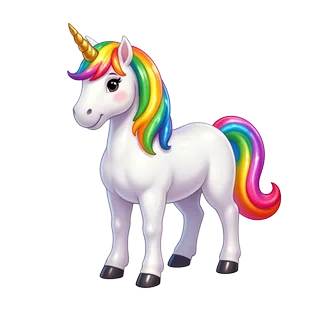
A horn that glimmers like a star, for a unicorn who lights up the meadow at dusk.
- Secret power
- ?
- Scared of
- ?
- Always says
- ?
Analytics cookies to improve Litsee? No ads.
With your permission, Google Analytics measures visits and Microsoft Clarity records clicks, scrolling and page interactions, with form inputs and page text masked. We use no advertising cookies.
Change it any time with Cookie settings. Privacy policy · Google privacy · Microsoft privacy
A horn that glimmers like a star, for a unicorn who lights up the meadow at dusk.
Make your own hero and they join every card as a friend.
What your child practises: making up a character (a name, a power, a worry and what they say), then writing their first adventure. National Curriculum, Years 3 and 4, Writing – composition: “in narratives, creating settings, characters and plot”.
Press the button for a unicorn name and what it means. Pick sparkly unicorns, wild forest and mountain unicorns or funny ones, or join two word parts to build your own. Every name is hand-picked and child-safe, with unicorn naming tips for KS1 and KS2 and a sample story opening.
Shimmering, rainbow-bright names for gentle unicorns who glow in the sunshine and sparkle in the moonlight.
Earthy names for wild unicorns who gallop through glens, woods and high Scottish hills.
Silly, cosy names for unicorns who sneeze glitter, wobble like jelly and love a porridge breakfast.
Press Big screen above the card to make one character together on the board: the class votes A, B or C for the power, the worry and the catchphrase. Then print the class set below: eight names with their meanings, with the rest left blank for each child to finish and draw.
A finished card is a small character plan. The worry gives the story its problem, the power gives the way out, and the catchphrase is the first line of dialogue. The printed card comes with a page to write the character’s first adventure.
Goes after the name
Join one from each list
Before you choose a unicorn name, decide what kind of unicorn you are writing about. A sparkly unicorn who lives in a rainbow meadow, a wild unicorn who gallops through a Highland glen and a silly unicorn who cannot stop giggling all need very different names. This generator sorts names into sparkly, wild and funny, because those three moods cover most unicorns in children's stories, and the right mood helps a reader picture the unicorn before it has said a word.
The word unicorn comes from the Latin unicornis, which means one horn. Uni means one and cornu means horn, so the name itself tells you the most famous thing about these creatures. Scotland's national animal is the unicorn, and it has been a Scottish symbol for hundreds of years. Many Scottish names, such as Glenhorn or Cairnhoof, take their sound from the Scottish landscape around them, so a unicorn can be given a name that feels truly at home in Scotland.
The easiest unicorn names for young writers are compound words: two ordinary words pushed together. Pair something soft or bright, such as moss, dew or star, with a unicorn body part, such as horn, mane or hoof. Starlace and Dewshimmer are easy for a Year 1 child to read because each half is a word they can already decode, yet together they sound like a magical creature. Build mode on this page works in exactly this way.
Sound matters as much as meaning. Names with soft s, l and m sounds, like Starlace or Velvetglow, feel gentle and dreamy. Names with crisp k and t sounds, like Cairnhoof or Wobblehoof, feel sturdy or bouncy. Funny names often borrow everyday things, such as porridge, crumpets and biscuits, because the gap between a magical unicorn and a bowl of porridge is what makes children laugh.
A name can also set up the plot. A unicorn called Hornlight who is afraid of the dark already has a problem to solve, and a child could write about the night the horn finally shines. Many stories give unicorns a secret second name that only close friends know, and a child could write about the day a friend learns it. Keep the magic kind and cosy, and let the unicorn's gifts help others, such as lighting the path home or cheering up a sad friend.
At home, press the button a few times and read each name aloud in a happy, gallopy voice, then try a soft, whispery one. In class, give pairs a name card and ask them to design a unicorn to match: colour, mane, home and one surprising habit. Then swap cards and compare, and talk about which designs fit the name best and why. Older children can add a short fact file on where the word unicorn comes from. The fantasy story starters page has openings ready for any of these names.
Written for this page, at the level of KS1 (Years 1–2)
Glimmerhorn was a small silver unicorn. She lived in a meadow full of flowers. When the sun went down, her horn began to glow.
One evening, Glimmerhorn heard a sad sniff. It was Puddlehorn, who was stuck in a muddy puddle. “Oh no,” said Glimmerhorn. “What can I do?”
Glimmerhorn lit up her horn, bright and warm. The light showed the way, and Thistlecrest came down from the hills to help. Together they pulled Puddlehorn out, and everyone laughed. “Thank you,” said Puddlehorn. “Your light helped me find my way.”
“using a capital letter for names of people, places, the days of the week, and the personal pronoun ‘I’”
Year 1, Writing – vocabulary, grammar and punctuation (statutory)
“expanded noun phrases to describe and specify [for example, the blue butterfly]”
Year 2, Writing – vocabulary, grammar and punctuation (statutory)
“in narratives, creating settings, characters and plot”
Years 3 and 4, Writing – composition (statutory)
“in narratives, describing settings, characters and atmosphere and integrating dialogue to convey character and advance the action”
Years 5 and 6, Writing – composition (statutory)
The quotations above are copied word for word from this document, with the year and section each applies to. The names, meanings, tips and story opening are Litsee’s own.
Every name comes with its meaning and is shown on this page, so you always know what your child will see. The generator runs in your browser, and nothing your child chooses is sent anywhere. A card is kept on this device only if they press “Keep it”.
Last updated: .
The unicorn has been a symbol of Scotland for hundreds of years and is Scotland's national animal. It appears in the royal arms of Scotland, alongside the lion. Children can use this history to give a Scottish unicorn a name such as Glenhorn or Thistlecrest.
Unicorn comes from the Latin unicornis, which means one horn. Uni means one and cornu means horn. This is why unicorn names often mention a horn, such as Hornlight or Glimmerhorn, and why the word is such a good start for a story.
Sparkly unicorns suit names that shine, such as Starlace, Pearlhoof, Velvetglow and Rainbowmane. Try joining a soft word, like dew, pearl or star, to a unicorn body part, like horn, mane or hoof. Short, shiny names are easy for younger children to read and remember.
There are no unicorns living on land, but the narwhal is called the unicorn of the sea. Male narwhals have a long, twisted tusk that looks like a single horn. Children who love unicorns could write a story about a narwhal named Silverlark, who swims beneath the icy waves.
In Litsee, your child creates the hero, picks the world and chooses what happens next in an illustrated story that is read aloud.
Start your free trial7 days free. A card is needed to start, and nothing is charged if you cancel before the trial ends.